
Several Schools Review Policies After Sandusky Scandal
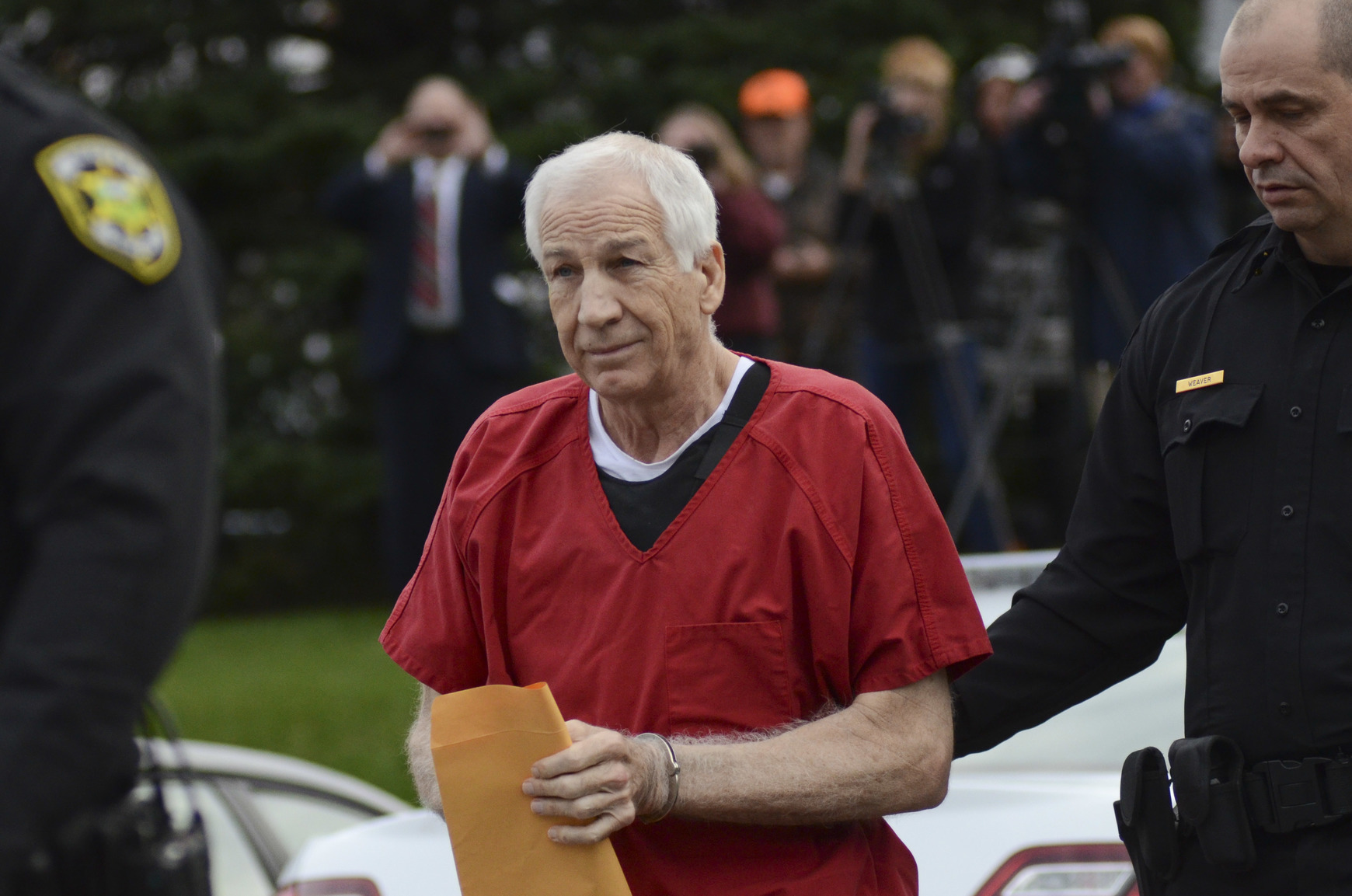
Nearly two years ago, the world’s eyes were opened to the monstrous acts of former Penn State defensive coordinator Jerry Sandusky. Since the scandal rocked the Penn State community, many universities and state governments have joined in with our university to continue the dialogue on reforming policies regarding all facets of sexual abuse prevention.
In a recent report, the Associated Press found that of 69 BCS football schools that were examined, 55 have either reviewed or revised current policies relating to abuse prevention/reporting and 12 have done similar work at the request from the U.S. Department of Education. The only two schools that haven’t made any recent action are South Carolina and Oklahoma.
Some examples of new university policies being implemented include Mississippi’s rule forbidding anyone 18 or older to have one-on-one contact with a minor and Kansas stating that employees will face termination if they fail to report any incidents of sexual abuse. Even “our friend” Louis Freeh acted as an adviser to the University of Southern California on how to establish an efficient set of rules that create a safe atmosphere for minors.
In addition to changes in university rules, at least 32 states have had discussions over current laws, 18 of which adopted new ones as an indirect result of the scandal.
From the information gathered by the Associated Press, it is apparent that both politicians and school administrators are finally engaging in an honest conversation about how to avoid a crisis like the one at Penn State. Not only are laws being passed that reprimand enablers of child molestation and sexual assault, now employees across the country that deal with minors are being required to take classes that help identify victims of child abuse.
The best way to describe abuse prevention, in my opinion, comes from David Finkelhor of the Crimes Against Children Research Center at the University of New Hampshire:
“I don’t think the problem at Penn State was that they didn’t have enough rules, or that they didn’t have a mandatory law that required this reporting. I think the problem was that they didn’t have a higher level of awareness about the problem itself and they thought they could kind of get away with the way they were handling it.”
Your ad blocker is on.
Please choose an option below.
Purchase a Subscription!
About the Author

A Year In Review: Looking Back At James Franklin’s Firing Exactly One Year After The Fact
Is Penn State better off than it was one year ago?
Seniors Reflect On Their Final White Out As Students
Here’s what the Class of 2027 thought of their final White Out as students.

Transfer Portal Roundup: Week 6
Though Penn State’s struggles continued during the White Out, several former Penn State players delivered big performances elsewhere.

Being and Becoming: Leo Dillinger’s Senior Column
Leo Dillinger reflects on his time spent as a Penn State student.