
‘Your Idea Has Legs At Penn State’: A Look Inside The University Park Allocation Committee
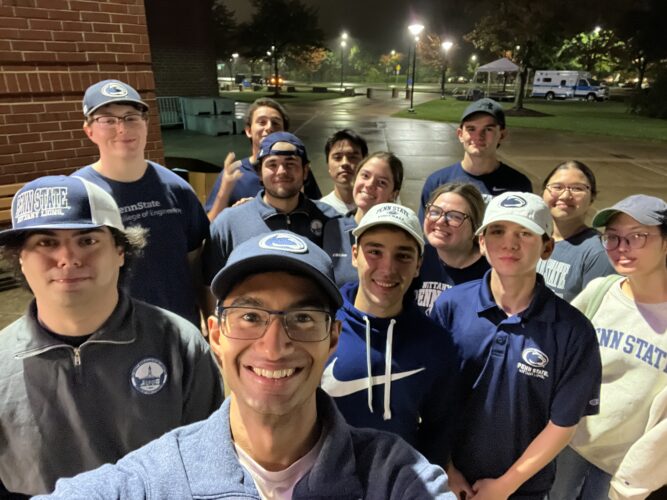
Every year, students may notice a charge on their account that makes up part of the tuition payment called the Student Initiated Fee.
Everyone pays that roughly $300 charge, and it adds up to millions of dollars. So where does this money go? Unlike some fees on the tuition receipt, this fee is meant for students and allocated by students.
That is where the University Park Allocation Committee comes in.
The University Park Allocation Committee, or UPAC, is a student-run allocation board that manages a large portion of the student-initiated fee budget. Since 1996, University Park students have worked to ensure the money every student pays goes back into supporting them through funding for university clubs and organizations.
Most students have likely attended or at least passed by a UPAC-funded event on campus without even knowing it.
Don Miller, UPAC’s director of community assurance, sat down with Onward State to further explain the organization’s role in the community.
The main goal is to speak for the student body on what the general population wants funded.
“When you come to the UPAC office, the first people that you’re going to see are students,” Miller said. “UPAC is really unique because we are one of, if not the last, student-run allocation boards in all of the Big Ten.”
Miller made it clear that the org tries its hardest not to just handle the money behind the scenes.
“We really like to get to know a lot of our requesters,” he said. “When people come in, we’re very curious about what they’re doing.”
Many don’t realize that UPAC is open to any student who might need university funding. The most common requests come from clubs, cultural organizations, and organizations that may need supplies or equipment. If the group’s needs comply with the UPAC handbook, UPAC will fund the request.
It’s not just clubs that benefit, though.
Another common request is independent travel. Any student attending a presentation, academic convention, or presenting their own work can request airfare and mileage covered up to $600, not including the food cap, which brings it up even more.
Miller encourages anyone in a club or org to speak with their treasurer about getting prospective events covered through them.
“If their treasurer doesn’t care, come to us. We’re happy to teach you exactly how to do it,” Miller said. “We very rarely outright deny a budget.”
If something doesn’t meet the committee’s handbook standards, UPAC tries to negotiate with students as much as possible to allow funding to go through.
The one thing they’re strict about is the deadline, because so many requests come through to such a small team of students. All requests must be submitted 40 academic days before the event.
One thing the committee itself is trying to work on is outreach and growing the team as much as possible. They want the committee’s name to be known and recognizable to students, so more students are likely to go through them for funding.
“I’ve noticed how siloed UPAC has become, so that’s another thing that I’m really trying to reverse,” Miller said.
The current team consists of around 25 students who oversee the allocation of almost $4 million.
While the finance-focused organization attracts mainly business majors, anyone is welcome to join the committee.
“One of the great things is that there’s a face for every name here,” Miller said. “It’s not just, you know, people you work with; it’s a really good team.”
Those interested in UPAC funding can check out the UPAC website, along with the handbook, which dictates what is allowed to be approved. The committee is also offering workshops for students who want to learn more about prospective funding.
Students just interested in learning more about the committee that allocates their money can stop by open committee meetings on Tuesday nights in HUB 233.
“There are a lot of resources that are just kind of floating around at Penn State that are just waiting for you to tap into them,” Miller said. “Your idea has legs at Penn State.”
Your ad blocker is on.
Please choose an option below.
Purchase a Subscription!
About the Author

The Story Behind Penn State Football Running Back Cam Wallace
Wallace broke both of his ankles against Kent State in 2024.

Previewing The Enemy: Washington Huskies
Penn State is set to make its lone West Coast trip of the season.

THON Director Thursday: Meet THON 2027 Volunteer Logistics Director Sabrina Reed
“Through this role, I strive to ensure that all committees are equally represented and that every volunteer feels heard, valued, and supported.”