
Penn State Football Left Without Answers After Northwestern Pummeling
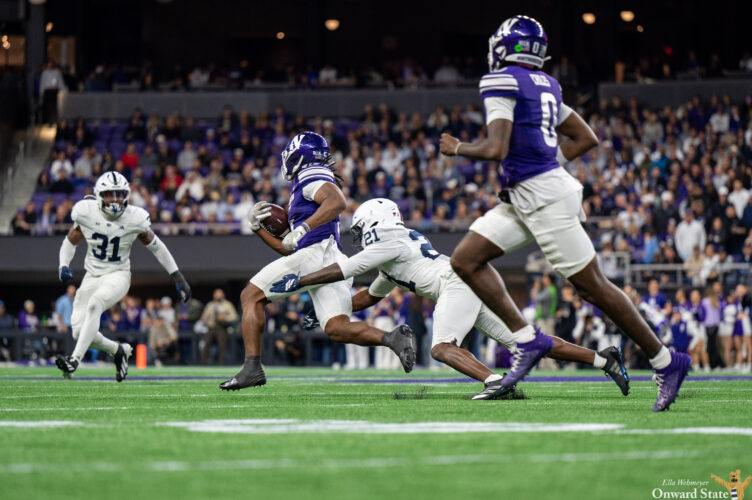
Penn State football’s defense allowed 413 rushing yards in its 34-13 beatdown loss to Northwestern on Friday night.
That figure is the Wildcats’ most rushing yards since they galloped for 444 yards against Illinois in 2003.
The Onward State football beat jokingly posted that Northwestern was on pace for 436 rushing yards after the first quarter, not anticipating how close the Wildcats would actually get to that number.
Northwestern is on pace for 436 rushing yards
— Onward Sports (@OnwardStSports) October 3, 2026

In fairness, the Nittany Lions allowed just 113 rushing yards per game in their first four outings. But the levee didn’t just crack against the Wildcats; it completely crumbled.
Northwestern’s Caleb Komolafe toted the rock 25 times for 188 yards and a touchdown, averaging an absurd 7.5 yards per carry. His backup, Joseph Himon II, rushed just 10 times, yet he totaled 162 yards and a pair of scores. For context, Northwestern averaged 146 rushing yards per game in its first four outings.
“I think the frustrating thing for me is the standard of what this program plays football with — the attitude, the effort, the toughness — we lacked it in every way, shape, and form tonight,” Matt Campbell said postgame.
Penn State’s total lack of physicality was beyond concerning, and it’s even worse that the team knew the Wildcats would prioritize their rushing attack.
“We expected a lot of that, understanding how Chip Kelly runs his typical offense and how they maneuver things,” defensive tackle Siale Taupaki said after the game.
Linebacker Tony Rojas, who led the team with 12 total tackles, a sack, and 3.5 tackles-for-loss, said Northwestern ran a lot of “misdirection” and identified eye discipline and poor tackling as key weaknesses.
“I thought [Northwestern] did some good things in the first half to scheme us up and take advantage of us on the four down front,” Campbell said.
The 237-yard first-half trouncing of the defense was so concerning that it forced defensive coordinator D’Anton Lynn to literally sprint out of the booth, through the press box, and down to the field, where he coached from the sidelines for the second half.
“It was good to have a leader like him on the sideline. But yeah, not really much changed,” Rojas said.
Campbell said Lynn’s change of scenery was to “get the right fixes.” He deployed five-man fronts more often in the second half to help clog gaps, but to no avail, as Penn State still surrendered 228 rushing yards in the second half.
After failing to handle adversity and adjust midgame against Northwestern, Penn State must go back to the drawing board to prepare for USC running back King Miller, who ranks No. 14 nationwide in rushing yards (412) and No. 10 in total carries (77). The Trojans average 164 rushing yards per game.
“I’m not going to just sit here and say what everybody says, because they all say, ‘Oh, just come back and view the film and do better,’ which is understandable,” Taupaki said. “But like I said earlier, still show up with the good, bad, and ugly, and still maintain the details, fundamentals, and technique, all while applying pressure in a way.”
Your ad blocker is on.
Please choose an option below.
Purchase a Subscription!
About the Author

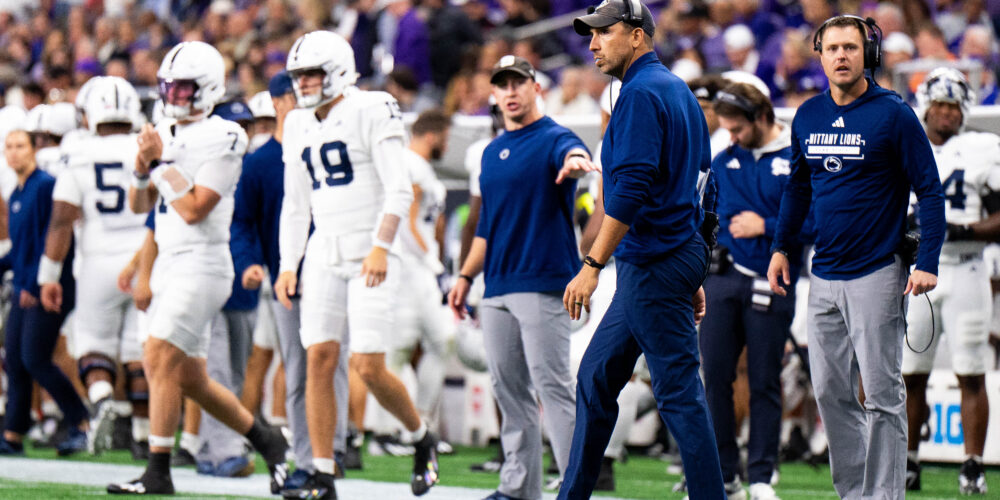
Penn State Football Falls To Northwestern 34-13
The Nittany Lions surrendered 413 yards on 54 carries.
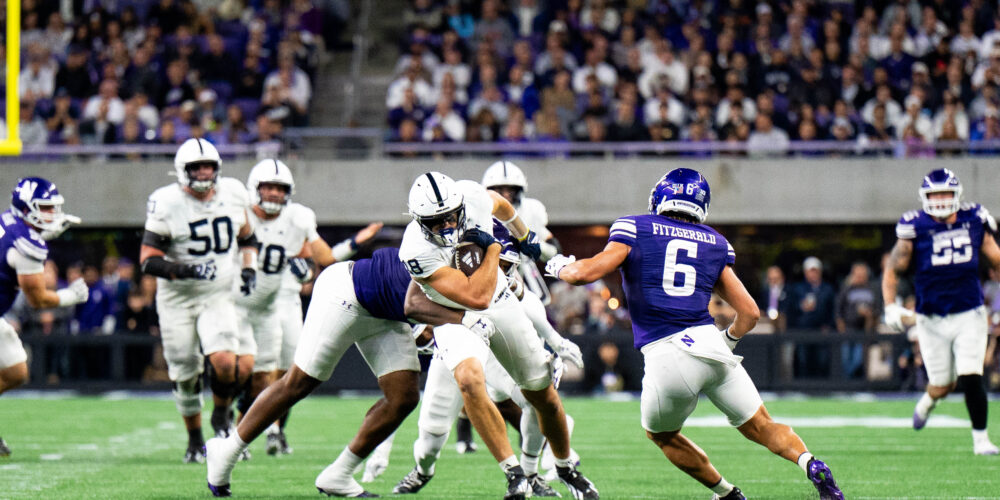
Penn State Football Voices Differing Opinions On Physicality In Preparation For Northwestern Matchup
“Don’t want injuries to happen, but I think we’re at a point where we just need to have that physicality in practice and change it up a little bit.”
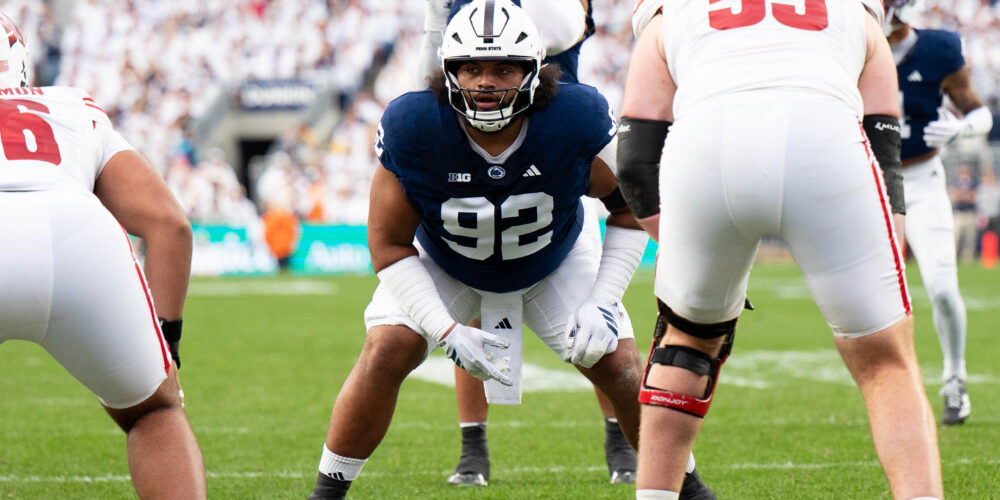
Penn State Football Names Team Captains Against Northwestern
A familiar leadership group will lead the Nittany Lions into battle.
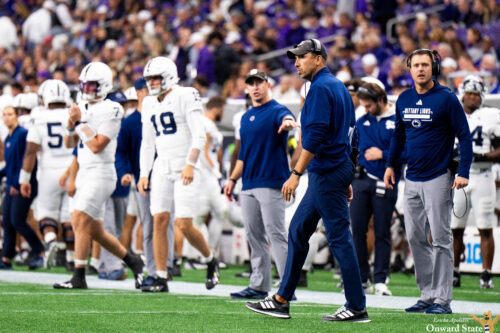
Penn State Football Falls To Northwestern 34-13
The Nittany Lions surrendered 413 yards on 54 carries.