
We’re Not Alone: Penn State Football’s Attendance Issue Follows National Trend
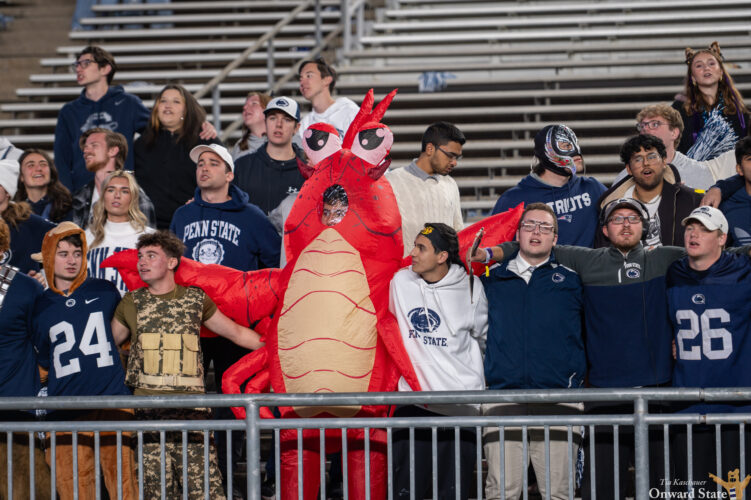
Penn State football has had a lot of issues in 2026, both on and off the field, but nothing has been more talked about than the cardinal sin of college football seeping into Happy Valley.
Empty seats.
The announced crowd of 102,041 on Saturday — which was extremely generous with how barren the student overflow sections and 400-level sections looked — was Penn State’s lowest attendance since the last home game before the COVID-19 pandemic against Rutgers.
The only three games in the last decade with lower attendance totals were the 2019 Rutgers game, a 2018 Maryland game, and a September 2017 non-conference slog against Akron. Two of those were Thanksgiving week; the other was against a MAC team.
Aside from the White Out, which broke a stadium record, has Beaver Stadium been full once this season? Sure, renovations make things harder, but disinterest from the student body and a lack of overall enthusiasm have plagued the program.
In the student section, all of the non-conference games were half-empty by halftime. Against Wisconsin, even while the team was winning, it kept shrinking. While the students who did attend on Saturday matched the vibe with costumes, the student section never touched either overflow section and was down to maybe a quarter full by halftime.
The vibes are rancid around the program, sure, but something was up around college football as a whole on Saturday.
No matter where you go in the country. No matter how good the team is. No matter what conference they are in. Stadium after stadium was barren.
Group of Six programs have been suffering all season, and that’s likely because the college football world has collectively acted like they don’t exist.
It’s no secret that some of these teams can’t draw high attendance. What about Power Four schools, though?
TCU played in the national championship just a few years ago. The Horned Frogs drew fewer than 33,000 on Saturday, and even that’s an extremely optimistic assessment. It’s their lowest-attended game in two decades.
But they’ve been on the downturn lately. What about an SEC program? They love football down there!
Sure, the big matchups were packed, but that’s the bare minimum. This game for Oklahoma, one where they got blasted at home by LaNorris Sellers and South Carolina, was allegedly a sellout, but you be the judge.
What about the Big Ten, outside of Penn State?
Well, as sparsely populated as Beaver Stadium has been, at least they’re not begging fans to come with four-for-one offers and a free tuition raffle to get students to show up (ahem, Maryland).
Maryland was holding a draw for free tuition to one lucky student who attended the Terps' game and stayed until the 4th quarter.
— Front Office Sports (@FOS) October 31, 2026
This was the crowd at opening kickoff.@ALionEye pic.twitter.com/lsosuhMtth
All the teams so far, including Penn State, have been objectively bad this season, with no reason to excite fans. How are some of the top programs in the country doing?
Texas Tech fans, despite rooting for a team coming off a College Football Playoff berth, having just one loss, and having the most expensive roster in college football, couldn’t show up for a ranked matchup against No. 22 Arizona.
Even one of the only undefeated teams left in the country, enjoying the best start to a season in two decades, couldn’t get the stadium half full against Nevada at the Rose Bowl:
Here’s the crowd for UCLA vs Nevada.
— The Secret Bruin Society
The student turnout is fine. UCLA needs to rebuild its season ticket hold base extremely badly.
A long way to go to clean up Gene Block and Martin Jarmond’s disaster. Go Bruins. pic.twitter.com/8a9B9VsWav(@sbsbruinsociety) October 31, 2026
College football is in a weird place right now. A sport that once felt so local and regional now feels more national than ever. It’s also falling into the pursuit of profitability, which is pricing out many fans.
There are a million reasons why attendance is suffering around the country. Some surmise that because college institutions are their own towns and not connected to major metro areas (like Penn State), they rely on blue-collar fans from around the state to make the pilgrimage to support the local team, and that demographic is getting older and older.
Skyrocketing ticket prices make things less affordable, even though that’s more of a large-scale issue than when you could always wait until kickoff and buy $5 tickets in these situations.
The sport as a whole is changing. The 24-team playoff may open access to a national championship to more teams than ever before, but it is also giving more and more programs a title-or-bust mentality. When there’s any setback, fans no longer care.
To a degree, we’re seeing that at Penn State. Fans have become so accustomed to winning that any hardship sparks a revolt. Pressure on coaches and athletic directors is growing, and NIL and the transfer portal create opportunities for quick turnarounds.
Texas Tech spent a lot of money to be underwhelming, but even as a Big 12 and CFP contender, its fans don’t want to show up after the embarrassing loss to Cincinnati the week prior.
The sport is also getting a lot less intimate. Bigger conferences mean local rivalries are played less often. For many Penn State fans, it’s hard to feel the same desire to beat USC or Washington as it did to beat Ohio State or Michigan. As odd as it may sound in a vacuum, sports rely on animosity to create buzz.
The transfer portal also makes it harder to care. Obviously, coaching changes like what happened at Penn State necessitate high turnover, but many programs have to deal with the constant coming and going that makes it hard to identify with players.
There’s no single reason why this is happening to college football, but the point remains. If you see a lot of empty seats against Minnesota or especially against Rutgers, it’s not just Penn State’s issue. The sport as a whole needs to reflect.
Your ad blocker is on.
Please choose an option below.
Purchase a Subscription!
About the Author

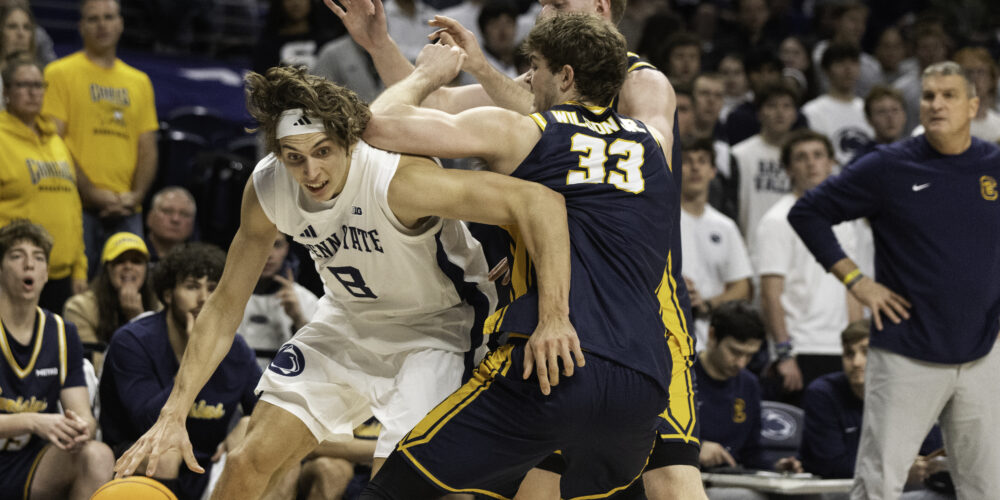
Penn State Hoops Dominates Canisius In Season Opener 97-57
Mike Rhoades’ fourth season is off to a strong start
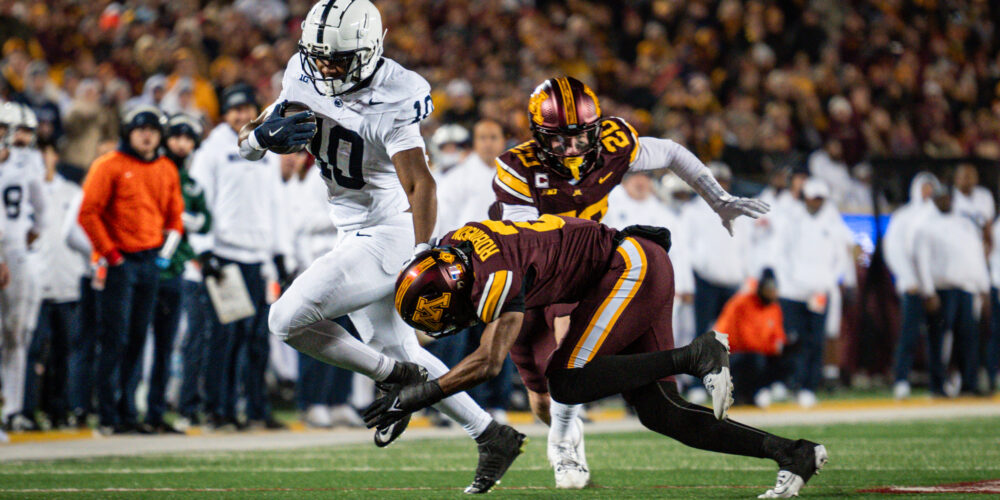
Penn State-Minnesota Scheduled For 7 P.M. Or 7:30 P.M. Kickoff
The matchup will mark Penn State’s sixth home game of the season.
Takeaways From Penn State Baseball’s Fall Ball Finale Against Niagara Community College
Mike Gambino’s squad wrapped up an undefeated fall in style on Friday.