
Penn State Approves Massive AI Surveillance Network Featuring Facial ID & Voice Monitoring
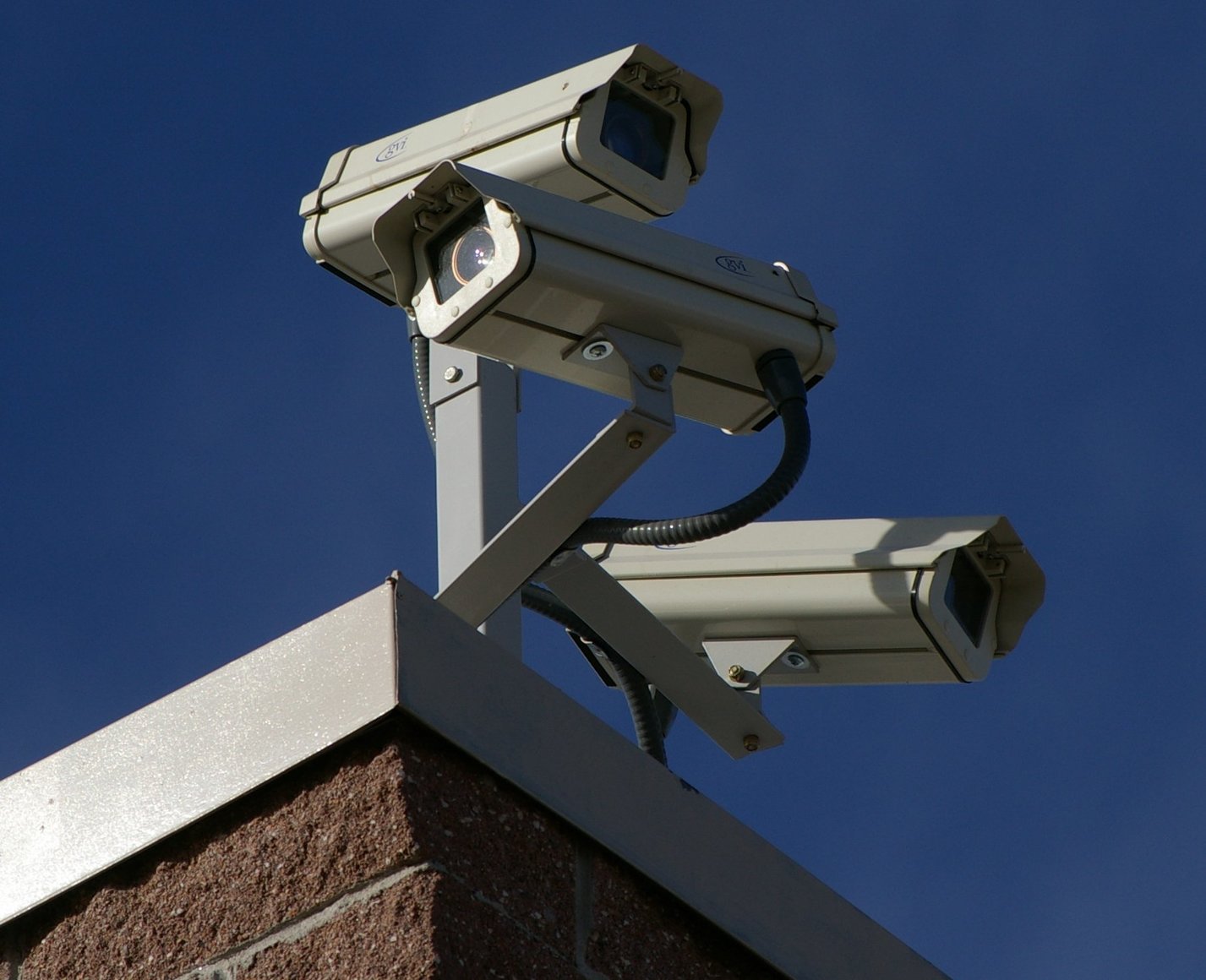
Penn State announced Wednesday that it will begin installing a new network of AI‑enhanced security devices across the University Park campus, a move administrators say will “significantly modernize campus safety operations” ahead of the fall semester.
According to university officials, the system will include more than 900 facial‑recognition cameras, 350 automated license plate readers, and a series of AI‑powered voice‑analysis boxes capable of detecting “elevated stress indicators and further negative words about the University and its officials.” The devices will be placed at residence halls, academic buildings, parking lots, and high‑traffic pedestrian areas.
While Penn State has not released an official cost estimate, several administrators familiar with the project say the total price could approach $500 million by the time installation is completed in mid‑April. One administrator, who requested anonymity because they were “not authorized to speak publicly,” said the university has already approved multiple “emergency procurement waivers” to accelerate the rollout.
“We believe these cameras will make the campus safer. That’s the only reason we’re installing them,” said Penn State Safety Coordinator Will Takeurdeta, who repeatedly emphasized the word “only” and declined to answer follow‑up questions about the project’s scope.
When asked what would happen to the data collected by the devices, Takeurdeta acknowledged that the university is still “reviewing the specifics” of its agreement with the system’s vendor, a third‑party data‑collection corporation called OmniTrace Intelligence Group.
“Honestly, we’re not entirely sure yet,” Takeurdeta said. “The vendor has assured us they have ‘truly amazing plans for the data they collect,’ but we’re still working to understand what that means in practice.”
Public records reviewed by Onward State show that OmniTrace Intelligence Group has previously partnered with several private security firms and government contractors. In one case, the company was criticized for storing biometric data “indefinitely” and sharing it with “government partners” whose identities were not disclosed.
A spokesperson for OmniTrace did not provide detailed clarification but said in a statement that the company is “excited to partner with Penn State” and intends to use the data “to drive innovation in ways the public will very soon appreciate.” The spokesperson did not respond to questions about whether students or faculty would be able to opt out of data collection.
University officials say the cameras will operate continuously and will be capable of identifying individuals even in low‑light conditions, crowded environments, or when identifying markers are obscured. Internal documents reviewed by Onward State indicate the system can also track “movement patterns” and “behavioral anomalies,” though the university declined to explain how those terms are defined.
The voice‑analysis boxes, meanwhile, will monitor for “potentially concerning audio patterns,” including “aggressive tones,” “distress indicators,” and “statements inconsistent with community values.” Officials did not specify what happens when such audio is detected.
Some students expressed support for the initiative, citing safety concerns on and around campus. Others raised questions about privacy, data storage, and the scale of the project.
“I get wanting to improve safety, but 900 cameras feel like a lot,” said junior biology major Jay Pritchett. “I just hope they know what they’re doing with all that information. It’s not like Penn State has the best track record with tech systems.”
Penn State provided several mockup designs of the devices to Onward State upon request. The renderings show compact, wall‑mounted units with small indicator lights and minimal labeling. The university declined to share technical specifications, citing “ongoing vendor negotiations.”
Installation is expected to begin immediately, with crews working through April to ensure the system is fully operational “as soon as humanly possible, just in case.”
“We’re committed to creating a secure safer world campus,” Takeurdeta said. “This is a major step in that direction.”
Editor’s note: This story is part of Onward State’s April Fools’ Day series. It is satirical, meant for entertainment, and not to be taken literally. Any quotes were made up for the purpose of this post.
Your ad blocker is on.
Please choose an option below.
Purchase a Subscription!
About the Author


Penn State BOT Finance Committee Recommends Sale Of Wilkes-Barre Campus For Golf Course
Some academic buildings will be left to Misericordia University.

Penn State Wrestling To Visit Lehigh On December 6
The second non-conference date of the 2026-27 schedule has been revealed.

AT&T To Upgrade Beaver Stadium Cell Service For 2027-28 Season
The upgrade’s goal is to make mobile service more reliable during football games and other events held at Beaver Stadium.

The Juice Is Worth The Squeeze: Jack Anderson-Jussen’s Senior Column
“If I’ve learned anything worth sharing, it’s this: be kind. Help when you can. Offer grace even when life isn’t offering it to you.”